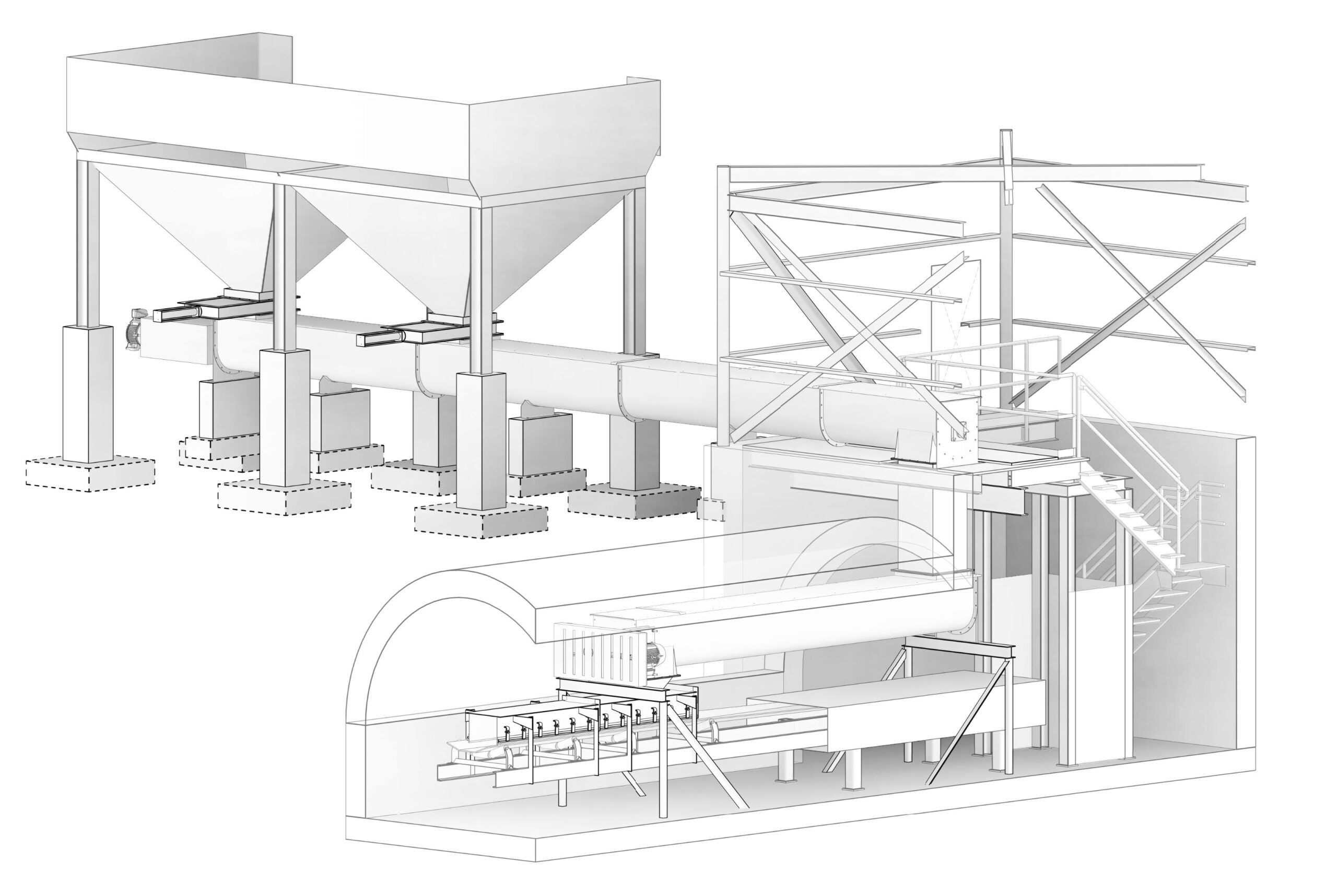
LOADING AND UNLOADING
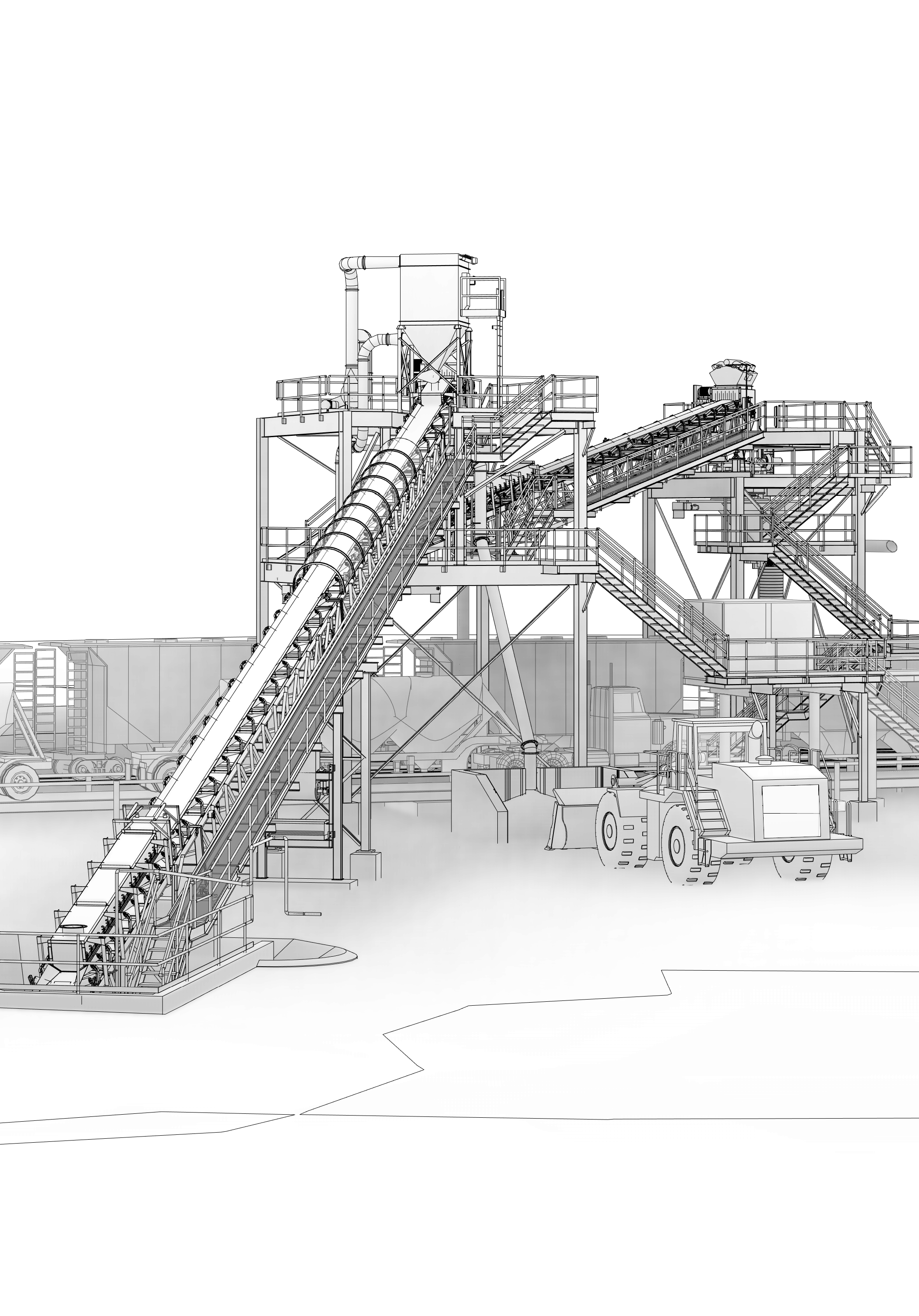
At the beginning of any project, it is important to establish conveyor belt design requirements, conveyor capacity, belt speed, work-points and a general layout. This phase includes general arrangement drawings and a 3D model for client review. We can determine the critical interfaces with other material handling equipment and chute-work. If this work is part of an existing system or structure, we can create other 3D models of the existing structure and any potential interfaces, like a new conveyor. In our experience, a 3D model greatly reduces installation costs by avoiding interferences with existing structures or equipment at the very beginning. When complex geometry is not modeled, there tends to be expensive rework and down time that far exceeds the cost of creating a 3D model.
STORAGE FACILITIES
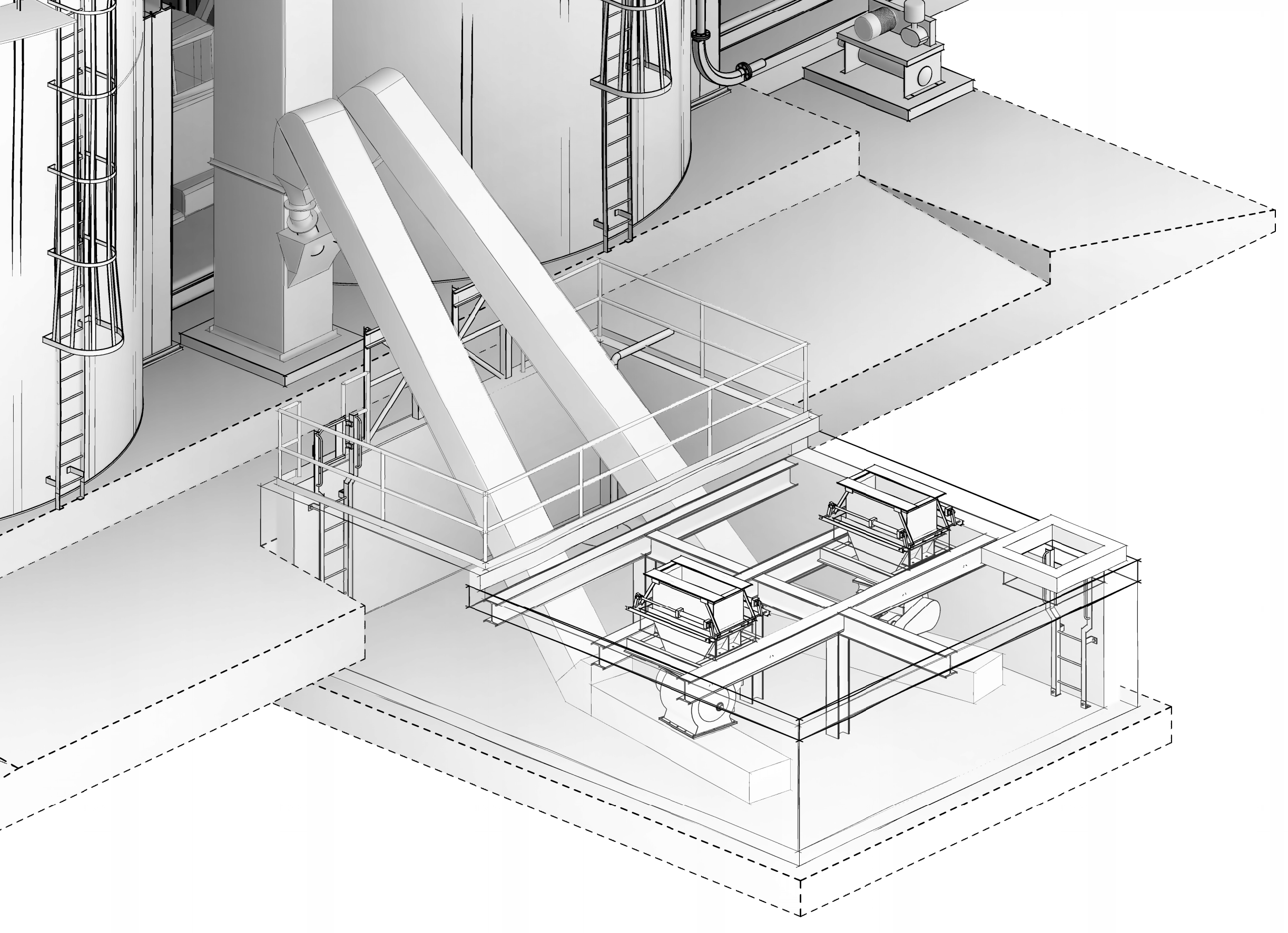
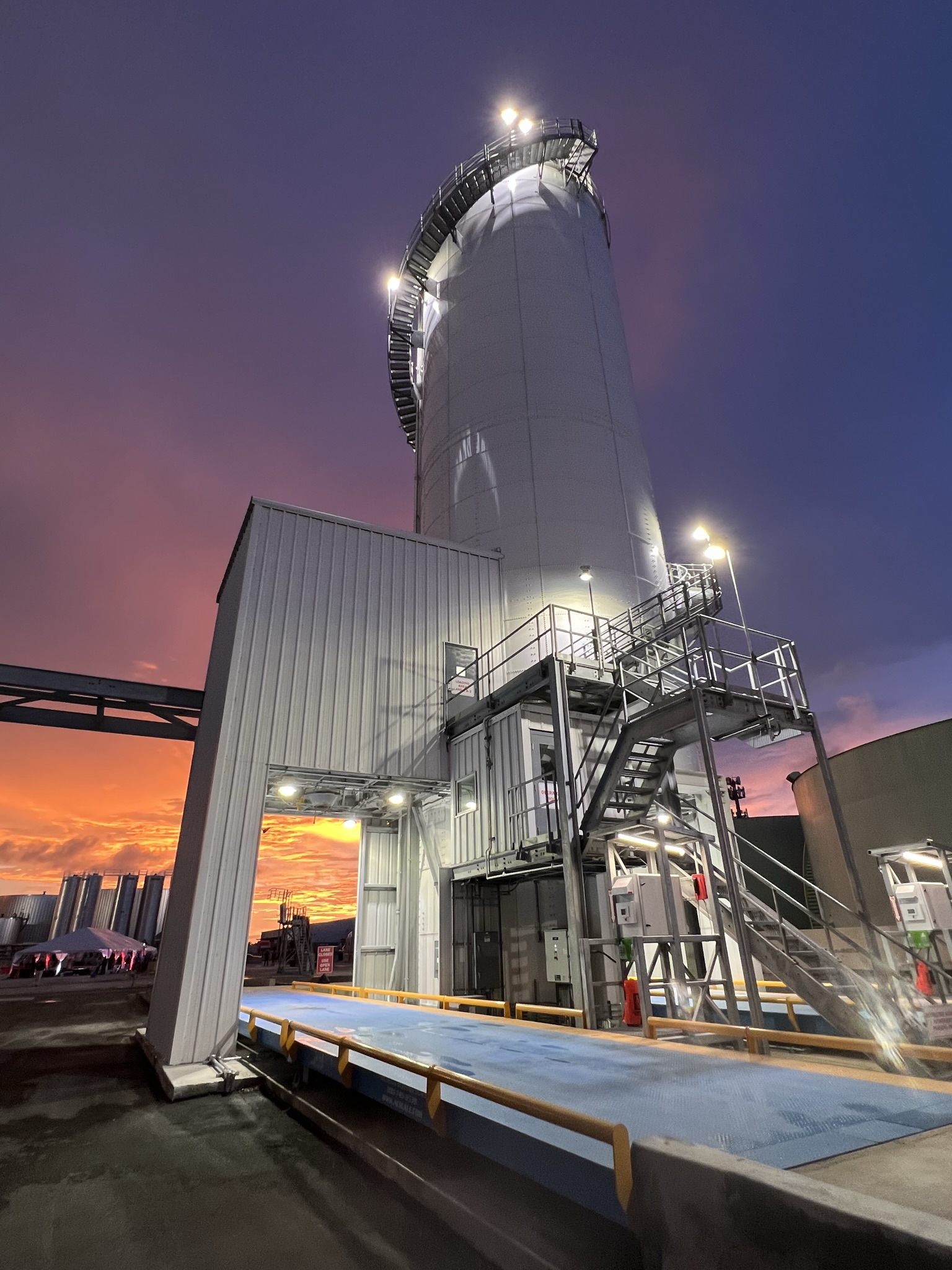
We provide comprehensive engineering services for the design, construction, and optimization of mining storage facilities. This includes the development of robust and efficient solutions for storing various types of minerals, ores, and concentrates. Evaluating factors such as material characteristics, storage volumes, environmental impacts, and seismic activity to determine the most suitable storage methods, including stockpiles, silos, and tanks. We conduct rigorous geotechnical and structural analyses to ensure the stability and safety of the storage structures and surrounding areas. Also implementing advanced monitoring systems to track material inventories, detect potential hazards, and optimize storage operations.
CONVEYORS, BENTS AND TRUSSES
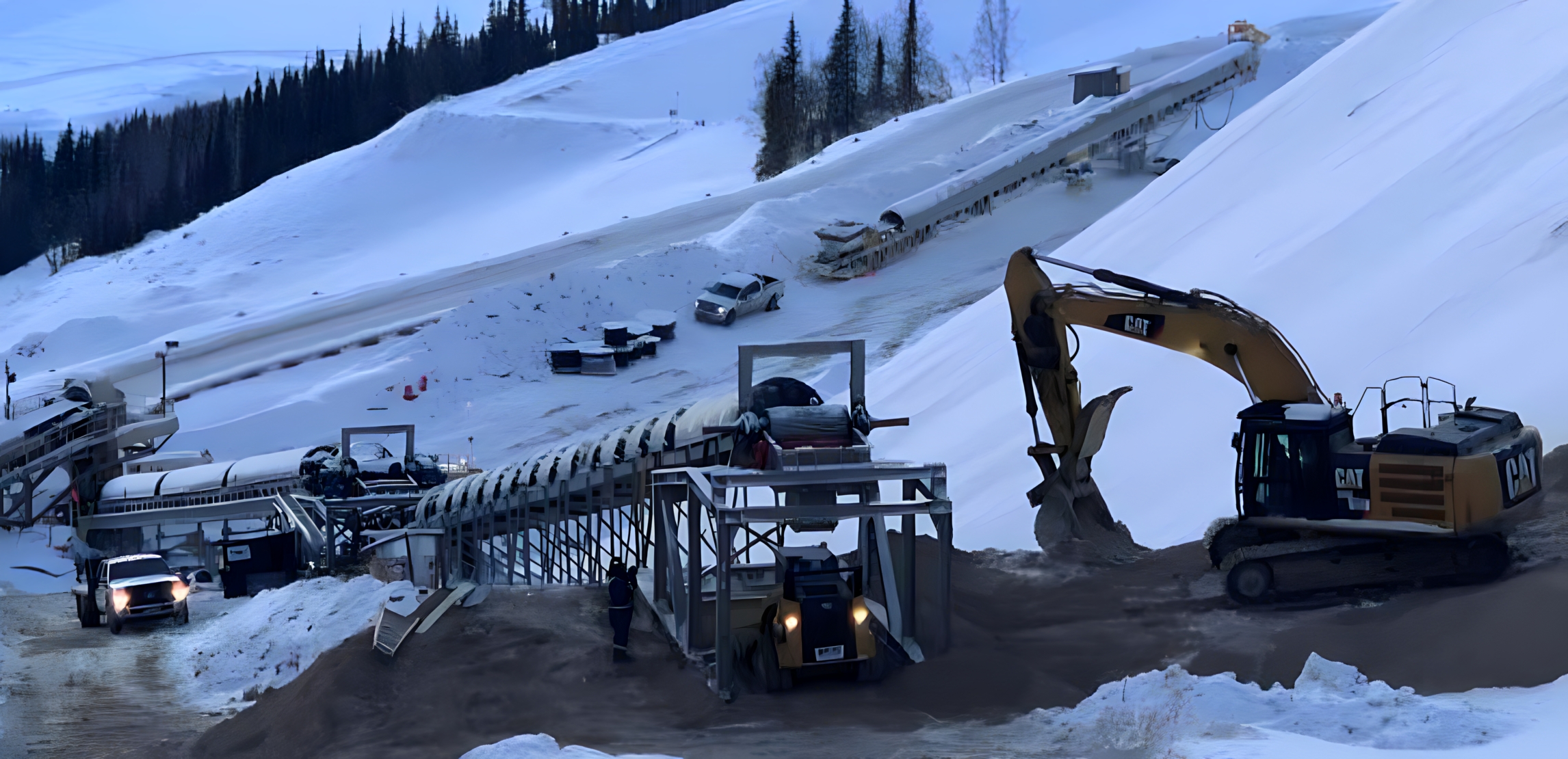
Conveyor belts are critical to transporting materials throughout a facility. Good conveyor design ensures that conveyors are reliable and can be safely maintained and operated. A well designed and properly installed conveyor increases productivity and profit, reduces downtime during operation, and most importantly increases the safety of your personnel.
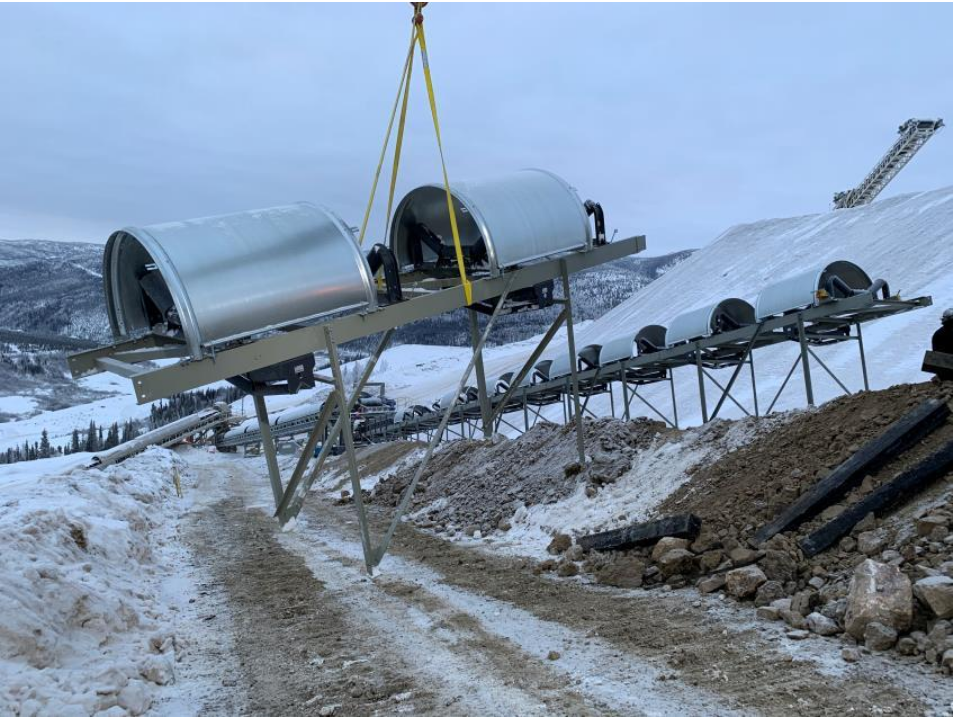
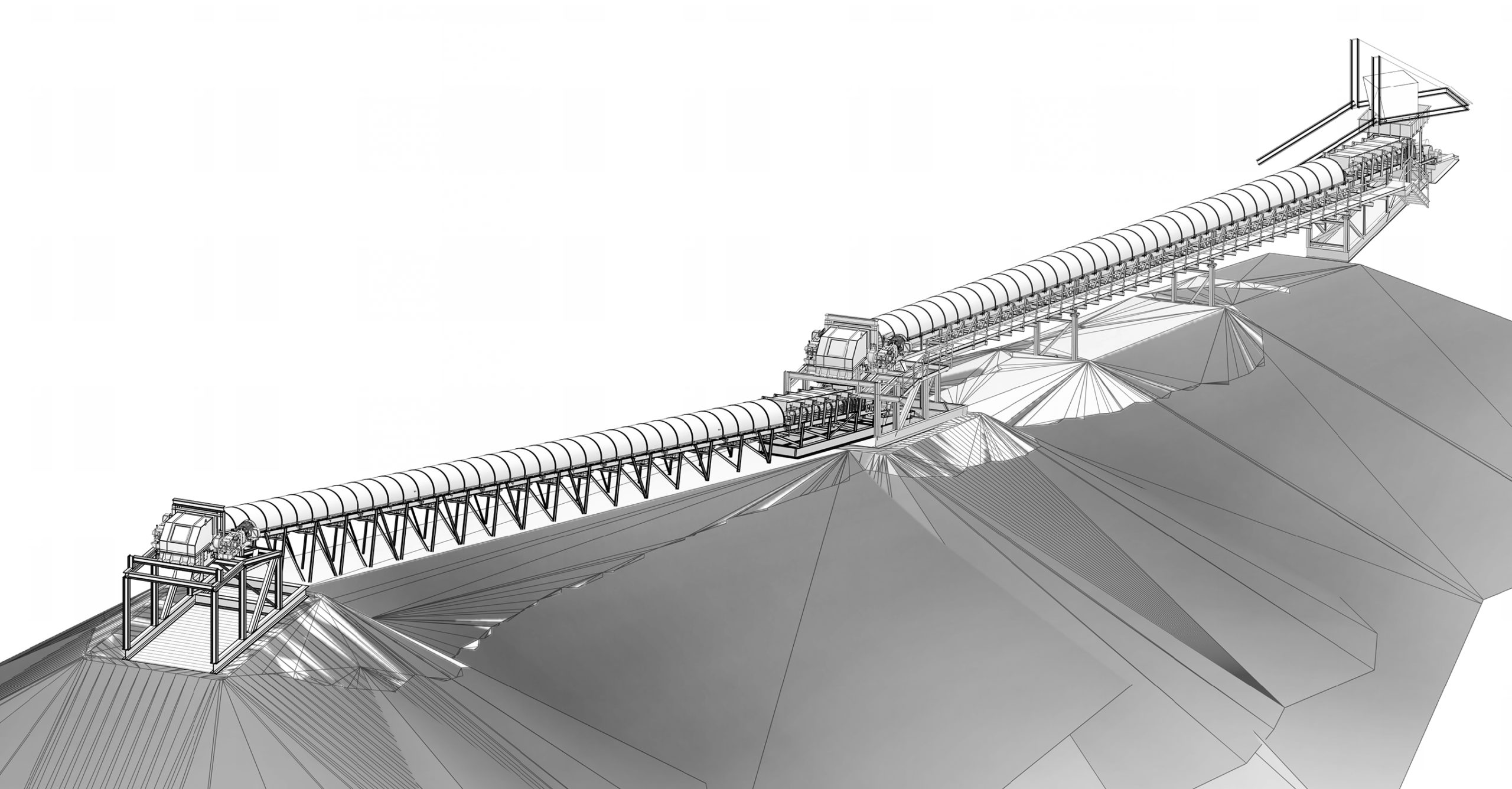
Our experts have miles of conveyor belt design experience including long overland and enclosed tubular conveyors, elevated truss conveyors landing on 120-foot-tall stacking tubes or storage domes. We have designed rail dump hopper feeders with belt widths up to 72” inches, and reversed loadout conveyors. One project included five 60” wide conveyor belts and transfers within a single tower. We have also designed plants with dozens of conveyors snaking through facilities all thanks to our engineering experience and leading 3D modeling capabilities.
Basic Engineering Phase
At the beginning of projects, it’s important to establish conveyor requirements, like capacity, belt speed, work-points and a general layout. This phase includes general arrangement drawings and a 3D model for client review. We can determine the critical interfaces with other material handling equipment and chutework. If this work is part of an existing system or structure, we can create other 3D models of the existing structure and any potential interfaces. In our experience, a 3D model greatly reduces installation costs, avoiding interferences with existing structures or equipment. When complex geometry is not modeled, expensive rework and down time are often the cost of this mistake.
This phase is highly collaborative in order to make all of the important decisions early in the design. A 3D model can be easily worked to present design decisions to the stakeholders. They can then make informed decisions with a 3D model, since it’s clear and understandable compared to its 2D counterpart. We understand not all stakeholders have the time to wrap their minds around hundreds or even thousands of 2D drawings. Also, many stakeholders are not familiar with reading engineering drawings. This can make it difficult for stakeholders to make informed decisions and get the input from the people that matter. Once the 3D model is reviewed and approved, then detailed engineering can begin. Often times at the end of this phase, a preliminary cost estimate is established to begin setting project budgets.
Detailed Engineering Phase
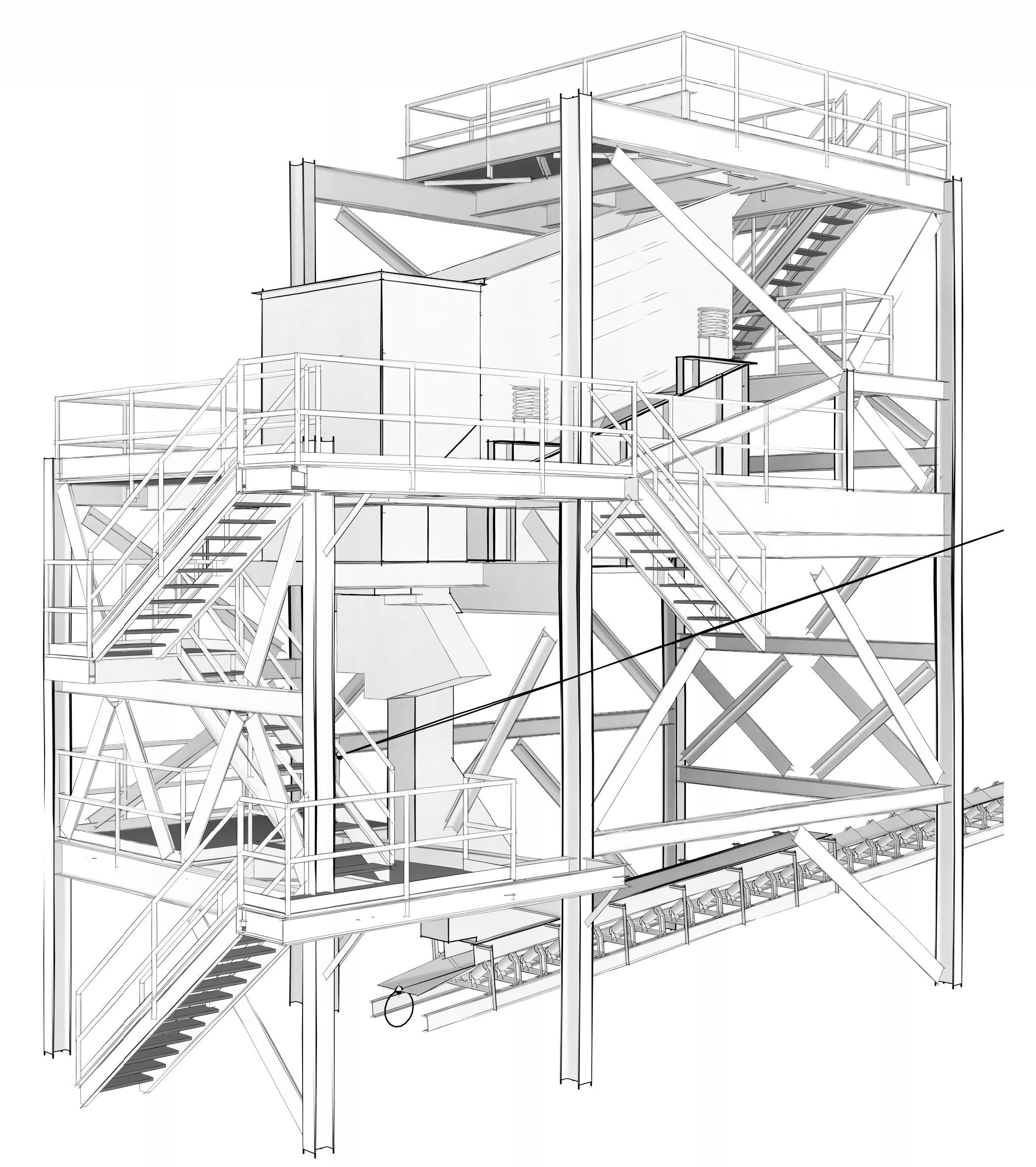
Design of the stringers, trusses, walkways, galleries, bents, towers, pulley frames, take-up carts, skirt boards, head-chutes all the way down to the foundations are provided this stage. We would also love to design your transfer towers and can optimize these structures based on conveyor work-points and required transition distances.
Whether it’s helping you with basic engineering phase, creating a 3D model, or producing 2D drawings, we are happy to help at any stage. Either way you will end up with a detailed 3D model with structural member sizes and accurately modeled conveyor components. That’s how we work. Our team of designers can model just as fast as they can draw. Ingenium Design can provide.
Procurement Assistance Phase
Conveyor components and steel are purchased either during or after the detailed engineering phase depending on the project timeline. If you need help purchasing the conveyor components, we will work with component vendors to get firm quotes that are ready for purchase. We’ll confirm technical requirements, part numbers, and quantities are correct.
You may have vendors you prefer for conveyor components. We incorporate that into the design as needed. If you need to go out for bid, for certain components, we can help you through that process as well. The conveyor may require passive or active dust collection or suppression. These are systems our engineers can provide, more so than just the conveyor belt design.
We can also help with the bidding process. Here we provide bid evaluations and recommendations for vendors and steel fabricators. In addition, Ingenium Design works closely with the steel detailer to ensure that we communicate all data from the engineering phase smoothly to both detailers and fabricators. By doing so, we eliminate bottlenecks and ensure that the final fabrication aligns perfectly with the original design intent. The 3D model developed in the engineering phase can greatly reduce the time required to detail and fabricate the steel. Many steel detailer’s can import our 3D model which contains the structural member sizes and other information they may need.
Project Approach and Delivery
Every project is different. That is why we work with you to find the best approach that makes sense for your site. Taking into consideration installation from the beginning, making sure that we deliver a conveyor design that can be easily installed. By continue developing our designs and delivery methods as technology changes. We have the flexibility to provide you exactly what you need on your next project.
CHUTEWORK, HOPPERS & BINS
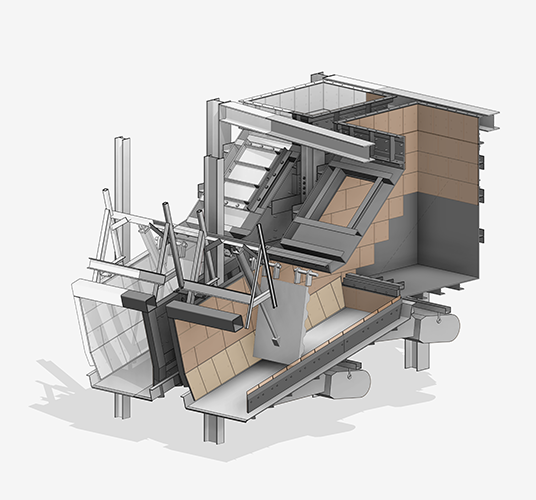
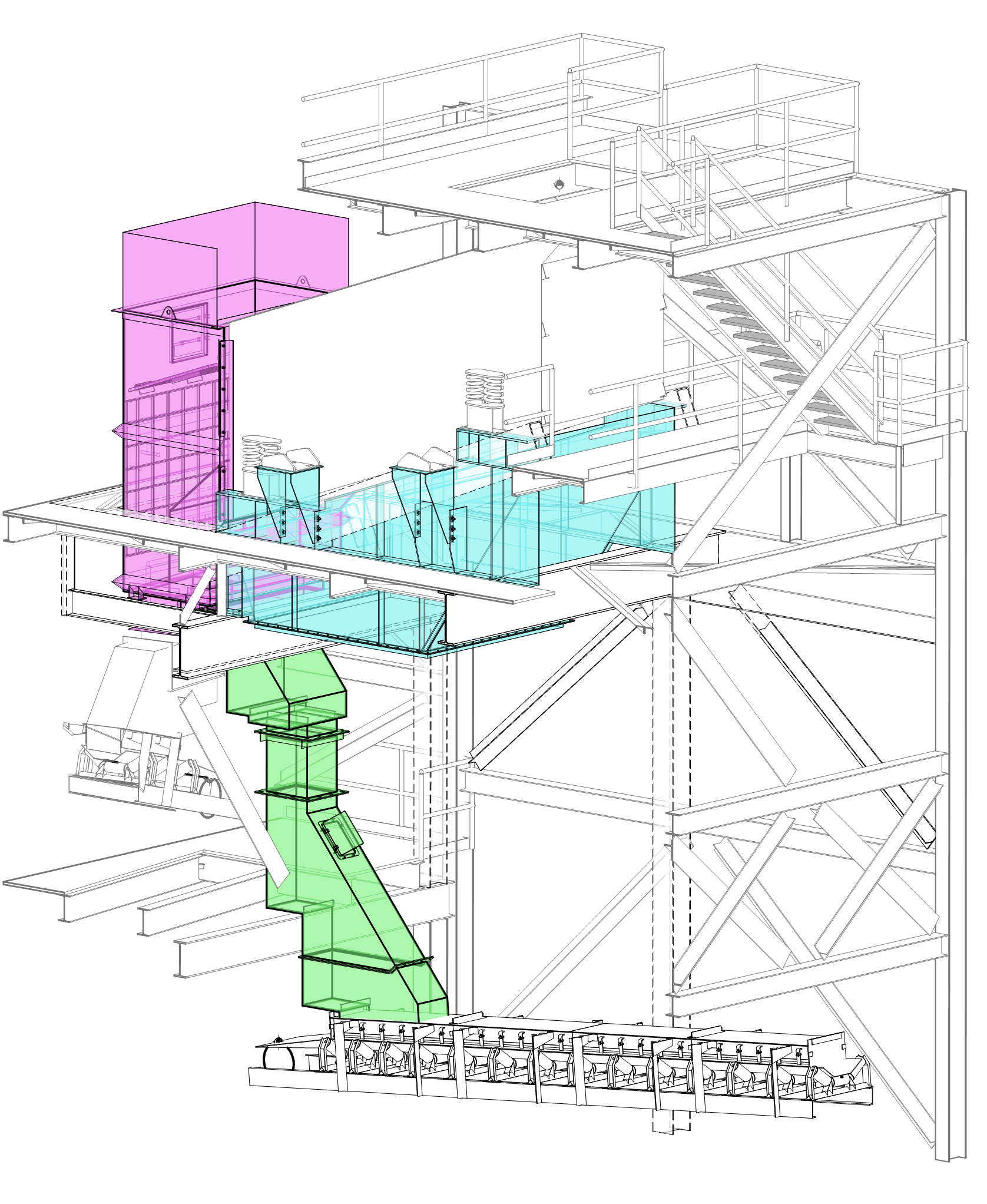
Specifically, chutework critically connects transfer points and equipment while reducing the dust, abrasion, and corrosion that typically damage conveying systems. Consequently, finding the ideal geometry becomes complex because the design depends on the unique attributes of the material and the specific equipment it serves. To address this, Ingenium Design’s standard operating procedure involves modeling all chutework in 3D so that we can properly design every angle for optimal flow. Often, engineers treat chutework as an afterthought in bulk material handling design, which leads to problematic chutes that plug or wear out prematurely. In contrast, we prioritize these transitions to prevent costly downtime. If your current chutework has reached the end of its useful life or shows the tell-tale sledgehammer dents of a struggling system, let us help you design a solution that actually works.